Fashion is constantly evolving. New styles appear on runways, social media, streetwear communities, celebrity wardrobes, and everyday life, while older trends often return with a modern interpretation. Fashion is not simply about following what is popular; it is also a way to express personality, lifestyle, creativity, and confidence.
Today’s fashion landscape is more diverse than ever. People can combine classic clothing with contemporary pieces, experiment with colors and silhouettes, mix casual and formal styles, and create outfits that feel personal rather than following one strict fashion rule.
Understanding fashion trends can help you make better wardrobe choices without feeling pressured to purchase every new item. The most useful approach is to identify trends that suit your personality, body comfort, lifestyle, and existing wardrobe.
What Are Fashion Trends?
Fashion trends are styles, colors, silhouettes, materials, patterns, accessories, or clothing combinations that become increasingly popular during a particular period.
Trends can originate from many places. Designers introduce new ideas through collections, while celebrities, musicians, influencers, street-style communities, and fashion creators can accelerate their popularity.
Some trends remain popular for years, while others may become popular for only a short period. This is why building a wardrobe entirely around temporary trends can become expensive and impractical.
The Evolution of Modern Fashion
Fashion has changed significantly as communication and technology have developed. In the past, fashion trends often moved from designers and magazines to consumers at a relatively slow pace.
Today, a style can become popular worldwide within days because of social media platforms and digital communities.
People can discover fashion inspiration from different countries and cultures without depending entirely on traditional fashion media. This has created a much more diverse fashion environment where different aesthetics can exist simultaneously.
Minimalist Fashion
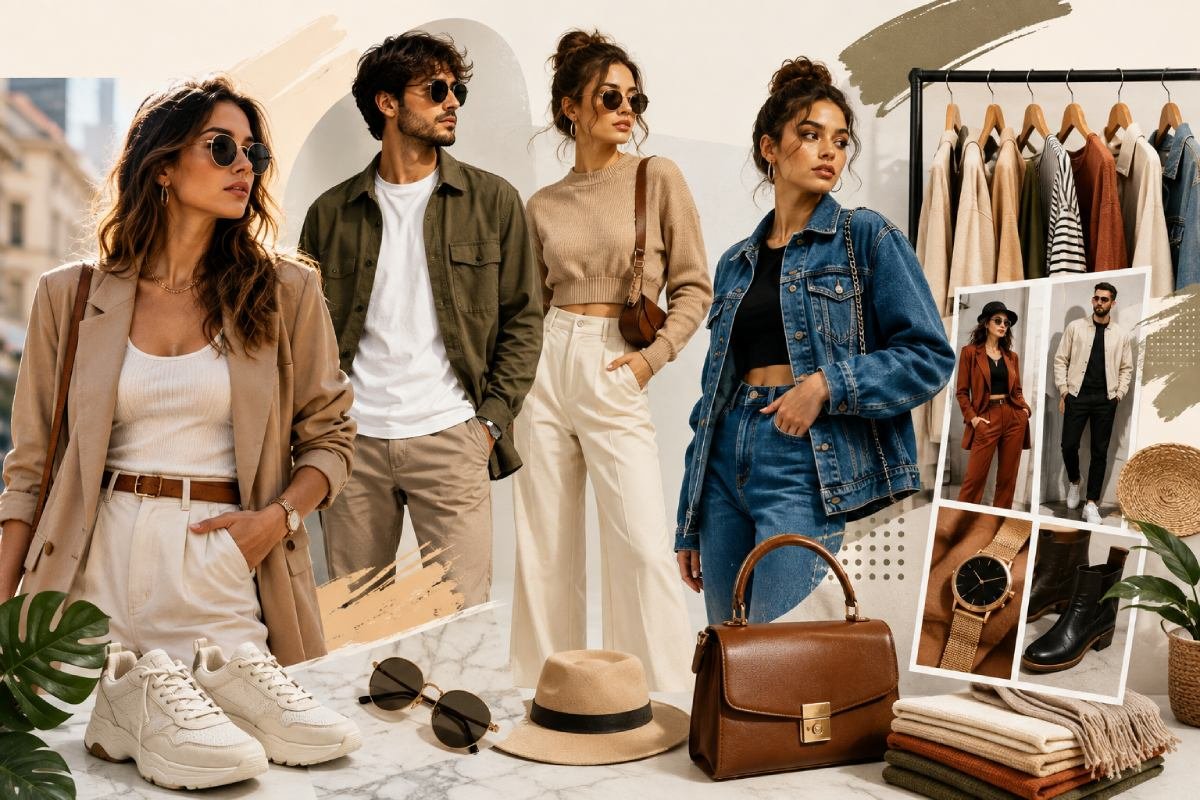
Minimalism continues to influence modern wardrobes. The minimalist approach focuses on clean silhouettes, neutral colors, simple accessories, and versatile pieces that can be combined easily.
White shirts, tailored trousers, simple dresses, neutral jackets, structured bags, and understated footwear can form the foundation of a minimalist wardrobe.
The advantage of minimalist fashion is versatility. A small number of carefully selected pieces can create numerous outfits when combined thoughtfully.
Streetwear and Casual Fashion
Streetwear has become one of the most influential areas of modern fashion. It combines comfort, individuality, sportswear influences, and urban culture.
Oversized T-shirts, hoodies, relaxed trousers, sneakers, caps, jackets, and graphic pieces are commonly associated with streetwear.
Modern streetwear can also be mixed with more polished clothing. For example, relaxed sneakers can be paired with tailored trousers, creating a balance between casual and sophisticated styles.
Oversized Silhouettes
Loose and oversized clothing has remained popular because it combines comfort with a distinctive visual style.
Oversized shirts, relaxed jackets, wide-leg trousers, and loose sweaters can create an effortless appearance.
However, oversized clothing does not have to mean wearing every item several sizes larger. Proportion is important. Pairing a relaxed top with more structured trousers, or wide-leg pants with a fitted top, can create visual balance.
Wide-Leg Trousers
Wide-leg trousers have become an important alternative to very slim silhouettes. They offer comfort and create a more relaxed appearance.
They can be styled with simple T-shirts for casual outfits or paired with structured shirts and jackets for a more polished look.
The right length and proportion can make a significant difference. Footwear should also complement the shape of the trousers rather than competing with it.
Denim Continues to Evolve
Denim remains one of the most dependable fashion categories because it can adapt to changing trends.
While skinny jeans have dominated some periods, relaxed, straight, wide-leg, and loose denim styles have become increasingly popular.
Denim jackets, denim shirts, skirts, and coordinated denim outfits also provide opportunities to experiment beyond traditional jeans.
The advantage of denim is that it can work across casual, streetwear, vintage, and contemporary styles.
Neutral Colors and Timeless Shades
Neutral colors remain popular because they are easy to combine and can create a sophisticated appearance.
Black, white, beige, cream, gray, brown, navy, and muted green can serve as versatile wardrobe colors.
Neutral clothing can also provide a foundation for experimenting with stronger colors through accessories, footwear, bags, or statement pieces.
Bold Colors and Statement Pieces
While neutral fashion remains popular, bold colors continue to provide an opportunity for self-expression.
Bright red, vivid blue, green, pink, orange, and other strong shades can transform an otherwise simple outfit.
A statement piece does not have to be an entire colorful outfit. A bright handbag, pair of shoes, jacket, scarf, or piece of jewelry can become the focal point of a look.
Layering as a Fashion Technique
Layering allows people to create depth and visual interest while also adapting outfits to different temperatures.
A basic outfit can be transformed by adding a jacket, cardigan, overshirt, scarf, vest, or lightweight coat.
Successful layering requires attention to fabric weight and proportions. Combining too many bulky pieces can make an outfit feel uncomfortable, while lighter layers can create a more balanced result.
Athleisure Fashion
Athleisure combines sportswear with everyday fashion. Leggings, joggers, sneakers, sweatshirts, track jackets, and athletic-inspired tops are often incorporated into casual wardrobes.
The popularity of athleisure reflects the growing importance of comfort in modern lifestyles.
Today, athletic-inspired clothing is no longer limited to gyms. It can be incorporated into travel outfits, casual meetings, shopping looks, and everyday streetwear.
Quiet Luxury and Refined Dressing
A refined approach to fashion focuses on quality-looking fabrics, simple silhouettes, neutral colors, minimal branding, and carefully selected accessories.
Rather than relying on large logos, this style emphasizes fit, texture, structure, and overall presentation.
The concept has influenced both high fashion and everyday clothing, encouraging consumers to think more carefully about versatility and longevity.
Vintage Fashion Making a Comeback
Fashion regularly revisits previous decades. Styles inspired by the 1970s, 1980s, 1990s, and early 2000s frequently return with contemporary modifications.
Vintage-inspired denim, sunglasses, jackets, dresses, footwear, and accessories can add character to modern outfits.
Instead of recreating an entire historical look, many people combine one vintage-inspired piece with contemporary clothing.
Y2K Fashion Influence
The early-2000s aesthetic continues to influence fashion through low-rise silhouettes, fitted tops, mini bags, metallic details, playful accessories, and nostalgic styling.
Social media has played a major role in bringing older aesthetics back to younger audiences.
However, modern interpretations often combine Y2K elements with contemporary proportions and comfort-focused clothing.
Sustainable Fashion
Sustainability has become increasingly important in conversations about fashion. Consumers are paying more attention to clothing quality, production practices, material choices, garment longevity, and unnecessary consumption.
Buying fewer but more useful pieces, repairing clothing, reusing existing garments, choosing second-hand items, and avoiding impulse purchases can help create a more thoughtful wardrobe.
Sustainable fashion does not require completely avoiding new clothing. It is about making more conscious decisions about what you buy and how long you use it.
Gender-Fluid Fashion
Modern fashion increasingly allows people to experiment beyond traditional gender-specific clothing categories.
Oversized shirts, relaxed trousers, jackets, sneakers, accessories, and layered outfits can be styled in many different ways regardless of traditional fashion expectations.
This broader approach encourages individual expression and gives people greater freedom when choosing clothing.
Fashion Accessories
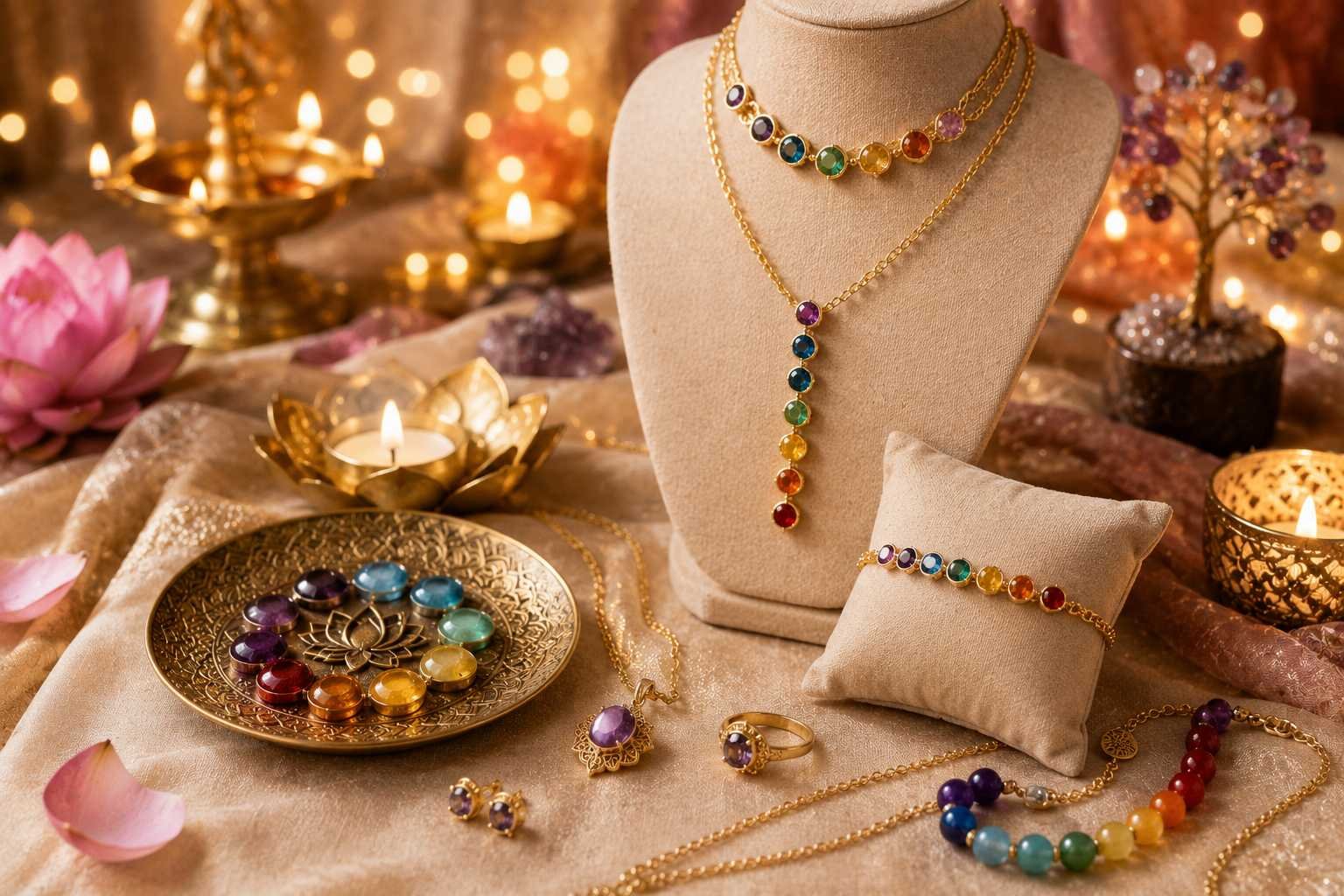
Accessories can completely change the appearance of an outfit. Bags, watches, sunglasses, belts, scarves, hats, jewelry, and footwear can add personality without requiring a completely new wardrobe.
Accessories can also introduce color and texture to otherwise simple clothing.
A neutral outfit, for example, can become more visually interesting with a statement bag or distinctive pair of shoes.
Footwear Trends
Footwear plays an important role in defining an outfit. Sneakers continue to be popular because they combine comfort and versatility, while loafers, boots, sandals, heels, and other styles remain relevant for different occasions.
Chunky sneakers, minimalist sneakers, retro footwear, platform shoes, and classic leather styles can each create different impressions.
The best choice depends on the outfit, occasion, comfort, and personal style.
The Role of Social Media in Fashion
Social media has transformed how fashion trends are discovered and shared. Platforms allow people to see outfits from designers, celebrities, creators, stylists, and ordinary users around the world.
A trend can gain popularity rapidly when it is repeatedly featured in short videos, photographs, and styling content.
At the same time, social media can create pressure to constantly buy new clothing. Following fashion inspiration without feeling obligated to copy every trend can help create a healthier relationship with style.
Celebrity Influence on Fashion
Celebrities often influence fashion through red-carpet appearances, music videos, films, public events, and social media.
A particular outfit or accessory can attract significant attention and inspire similar styles among consumers.
However, celebrity fashion is often created with professional stylists, designers, photographers, and specific events in mind. Adapting the inspiration to everyday life is usually more practical than copying an entire celebrity look.
How to Follow Fashion Trends Without Overspending
Following fashion does not require constantly purchasing new clothes. One of the easiest ways to participate in trends is to update existing outfits through styling.
Changing footwear, accessories, layering pieces, or color combinations can make familiar clothing feel different.
Before buying something trendy, consider whether it can be worn with multiple existing pieces. If one item works with several outfits, it is more likely to provide long-term value.
Building a Trend-Friendly Wardrobe
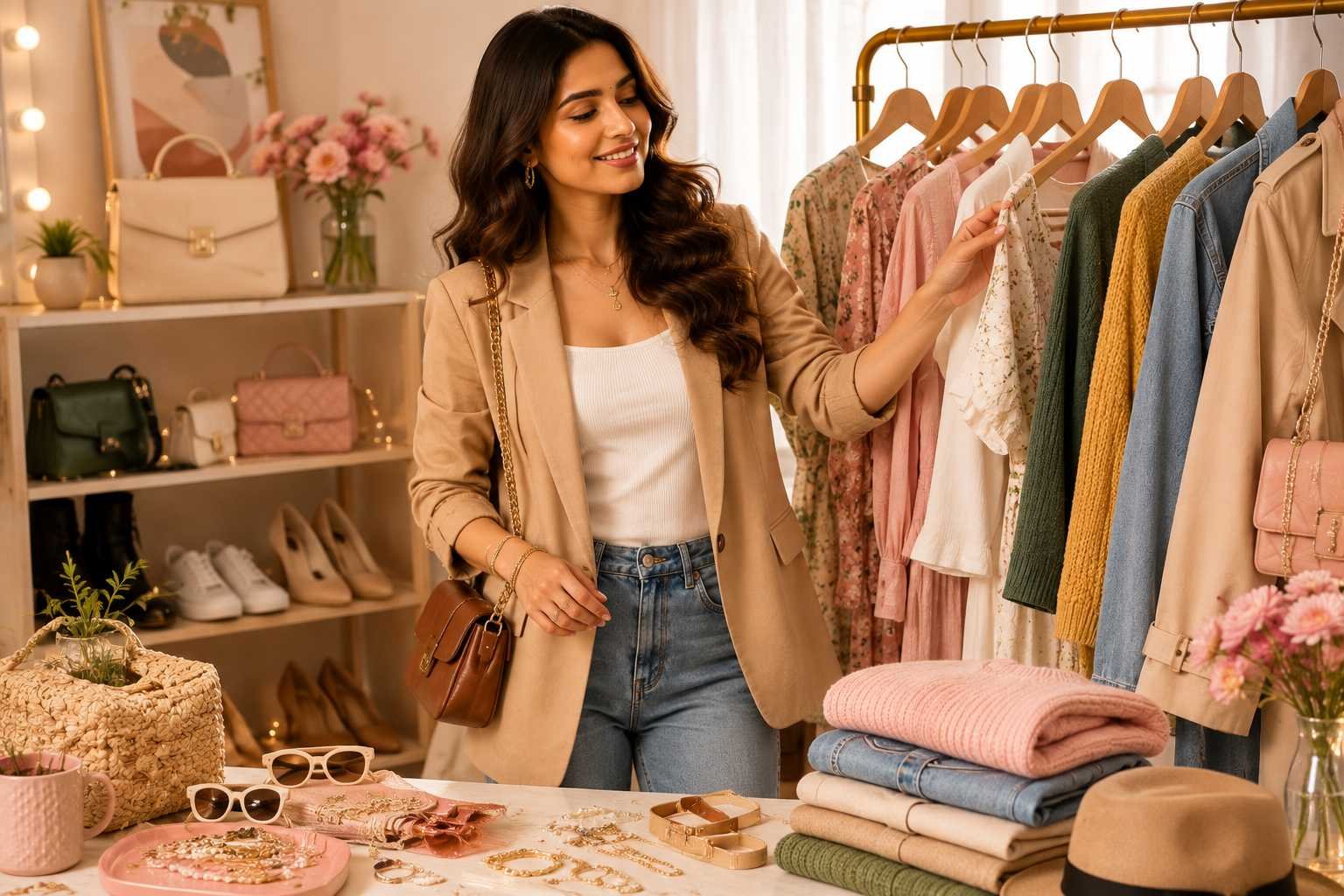
A trend-friendly wardrobe should combine timeless basics with a limited number of current pieces.
Classic shirts, trousers, jeans, jackets, simple dresses, neutral footwear, and versatile accessories can provide a foundation.
Trendy pieces can then be added selectively. This approach allows you to experiment with fashion without rebuilding your entire wardrobe every season.
Choosing Trends That Suit You
Not every trend will suit every person, and that is completely normal.
Consider comfort, body proportions, lifestyle, personal preferences, climate, and the environments in which you usually spend time.
The goal of fashion is not to wear everything that becomes popular. It is to use fashion as a tool for creating a style that feels natural and authentic.
Fashion and Personal Confidence
Clothing can influence how people feel about themselves. Wearing an outfit that fits well and reflects personal taste can increase confidence.
However, confidence should not depend entirely on following trends or receiving approval from others.
Personal style becomes stronger when you understand what makes you feel comfortable and express your personality through clothing.
The Future of Fashion Trends
The fashion industry will continue to evolve through technology, changing consumer preferences, sustainability, digital communities, and cultural influences.
Digital fashion, virtual experiences, innovative materials, customization, and technology-assisted shopping may influence the way people discover and purchase clothing.
At the same time, timeless concepts such as quality, comfort, individuality, and good fit are likely to remain important.
Frequently Asked Questions About Fashion Trends
What is a fashion trend?
A fashion trend is a clothing style, color, silhouette, accessory, material, or styling approach that becomes popular during a particular period.
What fashion trends are popular today?
Popular fashion directions include relaxed silhouettes, wide-leg trousers, streetwear, minimalist styling, denim variations, neutral colors, statement accessories, athleisure, vintage-inspired looks, and more personalized styling.
Do I need to follow every fashion trend?
No. Fashion trends are optional. Choosing trends that match your personality, comfort, lifestyle, and existing wardrobe is generally more practical.
How can I look fashionable without spending a lot?
You can create fashionable outfits by restyling existing clothing, adding accessories, experimenting with layering, changing footwear, and selectively purchasing versatile trend-inspired pieces.
Is oversized clothing still fashionable?
Oversized and relaxed silhouettes continue to be influential in contemporary fashion. The key is creating balanced proportions rather than simply wearing extremely large clothing.
Are neutral colors still fashionable?
Yes. Neutral colors remain popular because they are versatile and can be combined easily with both classic and trend-focused pieces.
How can I make my wardrobe more sustainable?
Buying fewer unnecessary items, choosing durable clothing, repairing garments, reusing pieces, shopping second-hand, and selecting versatile clothing can contribute to a more sustainable wardrobe.
What is the most important part of fashion?
Personal style, comfort, fit, and confidence are more important than blindly following trends. Fashion works best when it reflects the person wearing it.
Conclusion
Fashion trends provide endless opportunities for creativity and self-expression, but following fashion does not mean constantly buying new clothes. The strongest personal style comes from understanding trends and adapting them to your own preferences.
Modern fashion offers something for almost everyone, from minimalist dressing and quiet luxury to streetwear, vintage influences, oversized silhouettes, bold colors, sustainable clothing, and athleisure.
The best approach is to build a versatile wardrobe, experiment selectively, prioritize comfort and fit, and use trends as inspiration rather than strict rules. Fashion changes constantly, but personal confidence and individuality never go out of style.