
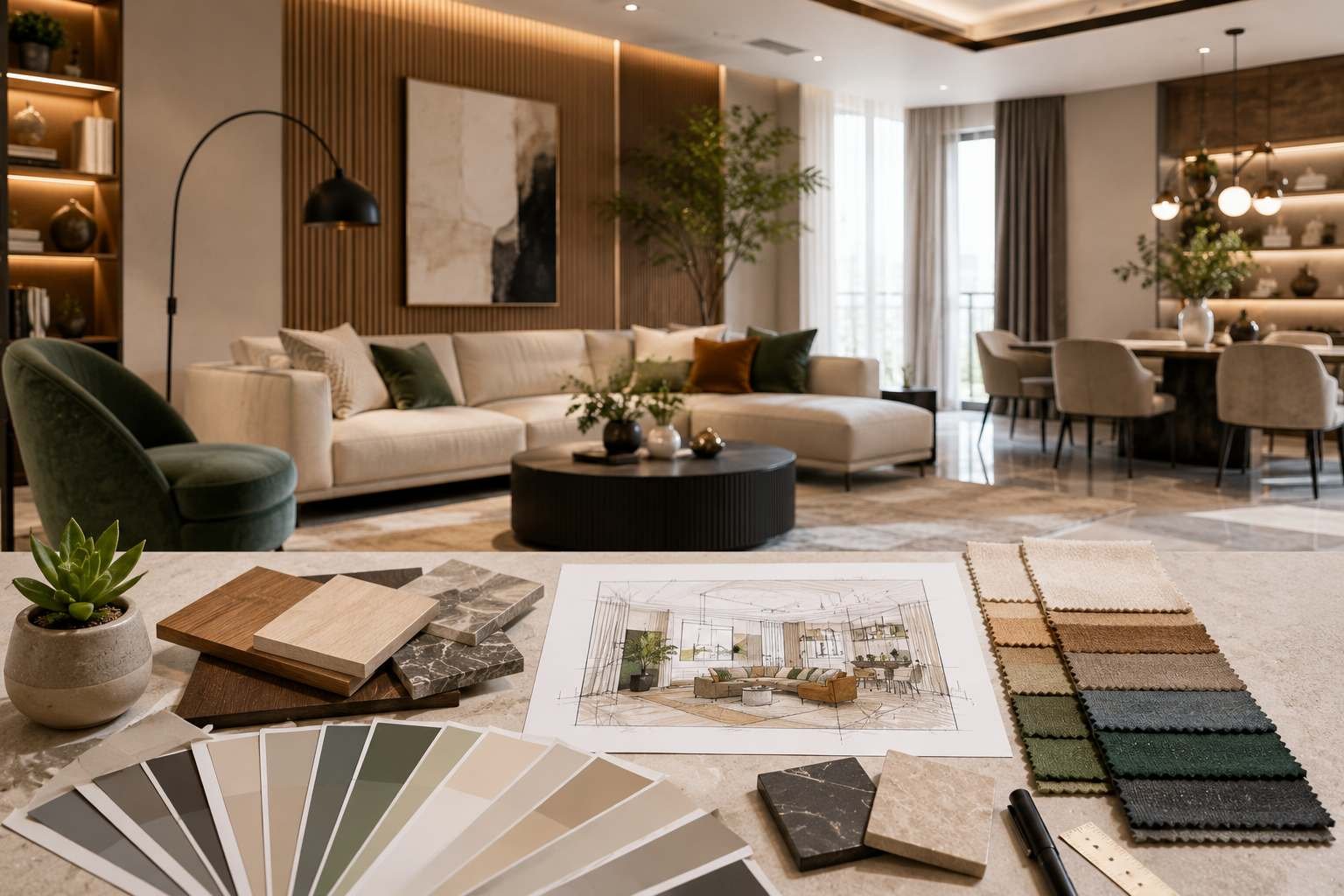
Designing your home is an opportunity to create a space that reflects your personality, lifestyle, and preferences. However, with so many interior design styles, colors, furniture options, and décor ideas available, choosing the right design can sometimes feel confusing. The best approach is to focus on what works for your space rather than simply following trends.
A successful interior design should provide a balance between appearance, comfort, functionality, and practicality. Whether you prefer a simple modern home or a luxurious traditional interior, careful planning can help you achieve the right result.
Start With Your Lifestyle
Your lifestyle should be one of the first things you consider when choosing an interior design. A home for a large family may require more storage and durable furniture, while a smaller household may prefer an open and minimalist layout.
Think about how you spend your time at home and what features are most important to you. This will help you choose a design that is not only attractive but also practical.
Understand Different Interior Styles
Learning about different interior styles can make the selection process easier. Modern interiors generally focus on clean lines and simple designs, while traditional interiors often use classic furniture and decorative details.
Minimalist interiors emphasize simplicity and open space, whereas industrial designs commonly feature materials such as metal, concrete, exposed brick, and wood. Understanding these styles can help you identify the look that best matches your preferences.
Look at Your Available Space
The size and layout of your property have a major influence on interior design. A design that works well in a large villa may not be suitable for a compact apartment.
Consider the dimensions of each room, ceiling height, windows, doors, and natural light. Proper space planning can help you avoid overcrowding and make the interior feel more comfortable.
Select a Suitable Color Palette
Color selection can change the entire mood of an interior. Neutral shades can create a calm and sophisticated environment, while brighter colors can add energy and personality.
Instead of selecting colors individually, create a complete color palette that works throughout the home. This can create better visual consistency between different rooms.
Choose Furniture Carefully
Furniture is one of the biggest investments in an interior design project. Select pieces that are comfortable, functional, and appropriately sized for the room.
Avoid filling a room with unnecessary furniture. Leaving enough open space can make the interior feel larger and allow people to move around easily.
Pay Attention to Lighting
Good lighting can enhance colors, furniture, textures, and architectural features. Whenever possible, maximize natural light through windows and open layouts.
For artificial lighting, combine general lighting with task and accent lighting. This creates flexibility and allows different areas of a room to serve different purposes.
Think About Storage
A beautiful home can quickly become cluttered without sufficient storage. Include storage solutions during the initial design process rather than adding them later.
Built-in wardrobes, modular cabinets, floating shelves, storage benches, and multifunctional furniture can provide useful storage while maintaining a clean appearance.
Consider Materials and Finishes
The materials you select can influence both the appearance and durability of your interior. Wood, stone, glass, metal, tiles, fabrics, and laminates each create a different visual effect.
Choose materials according to the purpose of the room and the amount of maintenance you are willing to perform.
Set a Realistic Budget
Budget planning is essential for any interior design project. Decide how much you are comfortable spending before making major purchases.
Prioritize essential elements such as flooring, lighting, furniture, storage, and fixtures. Decorative accessories can be added gradually if the budget is limited.
Avoid Following Trends Blindly
Interior design trends can provide inspiration, but they should not determine every decision. Trends can change quickly, while major interior investments are expected to last for many years.
Choose timeless designs for expensive and permanent features. You can incorporate current trends through artwork, cushions, curtains, accessories, or other easily replaceable items.
Create a Balanced Interior
A well-designed interior should have visual balance. Furniture, colors, patterns, textures, and decorative elements should complement each other instead of competing for attention.
You do not need to make every room identical. Instead, maintain a consistent design language throughout the home while allowing individual rooms to have their own character.
Consider Professional Interior Design Services
If you are unsure about layouts, materials, colors, or furniture selection, professional interior design services can be helpful. An experienced designer can understand your requirements and develop a concept that fits your space and budget.
Professional planning can also reduce mistakes and help coordinate different aspects of the project.
Conclusion
Choosing the right interior design is about creating a space that works for you. Your lifestyle, available space, budget, preferred style, comfort requirements, and future needs should all influence your decisions.
Rather than copying someone else’s home, focus on creating an interior that represents your personality and supports your everyday life. With careful planning, suitable materials, thoughtful furniture selection, and the right lighting, you can create a home that is both beautiful and functional.
FAQs
How do I know which interior design style is right for me?
Consider your favorite colors, furniture styles, materials, and the atmosphere you want to create. Comparing different design styles can help you identify your preferences.
What is the most important factor in interior design?
Functionality is one of the most important factors because the space should be comfortable and practical as well as visually appealing.
How can I choose colors for my home?
Consider the size of the rooms, natural lighting, furniture, flooring, and overall design style before selecting a color palette.
How can I make a small home look spacious?
Use smart furniture placement, light colors, mirrors, multifunctional furniture, sufficient lighting, and effective storage solutions.
Is professional interior design worth it?
Professional interior design can be valuable for larger projects because designers can provide expert planning, material selection, space optimization, and project coordination.