Beauty is much more than makeup, hairstyles, or expensive skincare products. True beauty is closely connected with healthy habits, confidence, personal care, cleanliness, nutrition, rest, and the way we feel about ourselves. A thoughtful beauty routine does not need to be complicated or expensive. With the right habits and consistency, anyone can create a simple routine that supports healthy skin, hair, and overall appearance.
Modern beauty has also moved toward a more natural and personalized approach. Instead of following every trend, people are increasingly choosing routines that suit their individual skin type, lifestyle, preferences, and goals. Understanding what works for you is often more valuable than constantly changing products.
Understanding the Meaning of Beauty
Beauty means different things to different people. While makeup and fashion can enhance appearance, they are only a small part of the broader concept of beauty. Healthy skin, well-maintained hair, good hygiene, confidence, and a positive attitude can all influence how a person looks and feels.
A sustainable beauty routine should focus on enhancing your natural features rather than trying to completely change them. When beauty practices become simple and consistent, they are easier to maintain for the long term.
Building a Healthy Skincare Routine
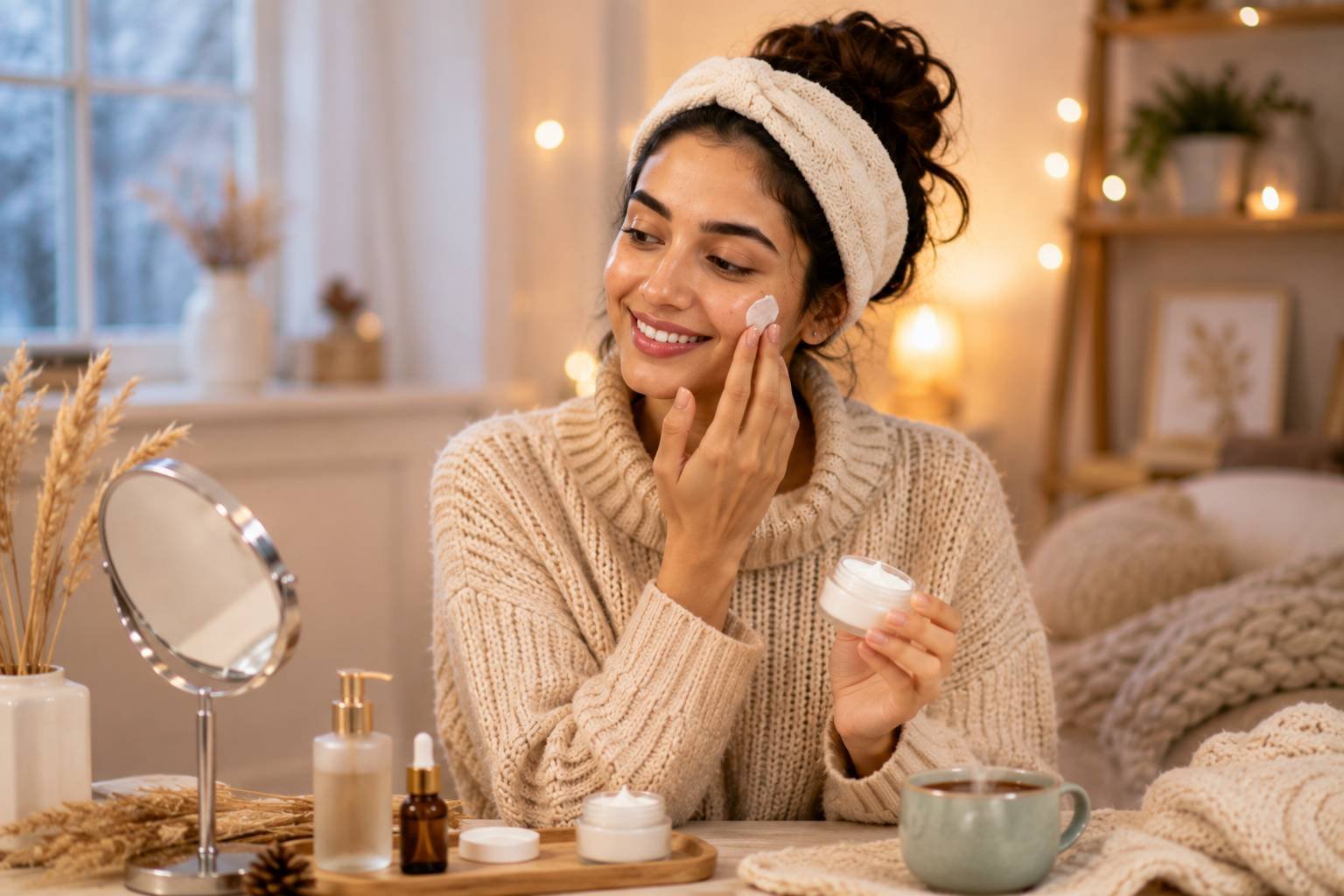
Healthy-looking skin begins with a consistent skincare routine. The basic approach can include cleansing, moisturizing, and protecting the skin from excessive sun exposure.
Cleansing helps remove dirt, excess oil, sweat, makeup, and environmental impurities. However, using a harsh cleanser too frequently can leave the skin feeling dry or uncomfortable. Choosing a cleanser according to your skin type can make the routine more comfortable.
Moisturizing helps support the skin barrier and maintain hydration. Even people with oily skin can benefit from an appropriate lightweight moisturizer.
Knowing Your Skin Type
Understanding your skin type can make choosing beauty products much easier. Skin is commonly described as normal, dry, oily, combination, or sensitive.
Oily skin may produce more sebum, while dry skin may feel tight or flaky. Combination skin can have both oily and dry areas, while sensitive skin may react more easily to certain products.
Instead of buying products simply because they are popular, it is better to consider whether their ingredients and formulation are appropriate for your individual needs.
The Importance of Sun Protection
Sun protection is one of the most important parts of a skincare routine. Regular exposure to ultraviolet radiation can contribute to premature skin aging and other forms of skin damage.
Using a broad-spectrum sunscreen and reapplying it as appropriate for your circumstances can help protect exposed skin. Hats, sunglasses, shade, and protective clothing can also provide additional protection.
Sun protection should not be limited to vacations or extremely sunny days. Consistent daily protection is a more useful approach.
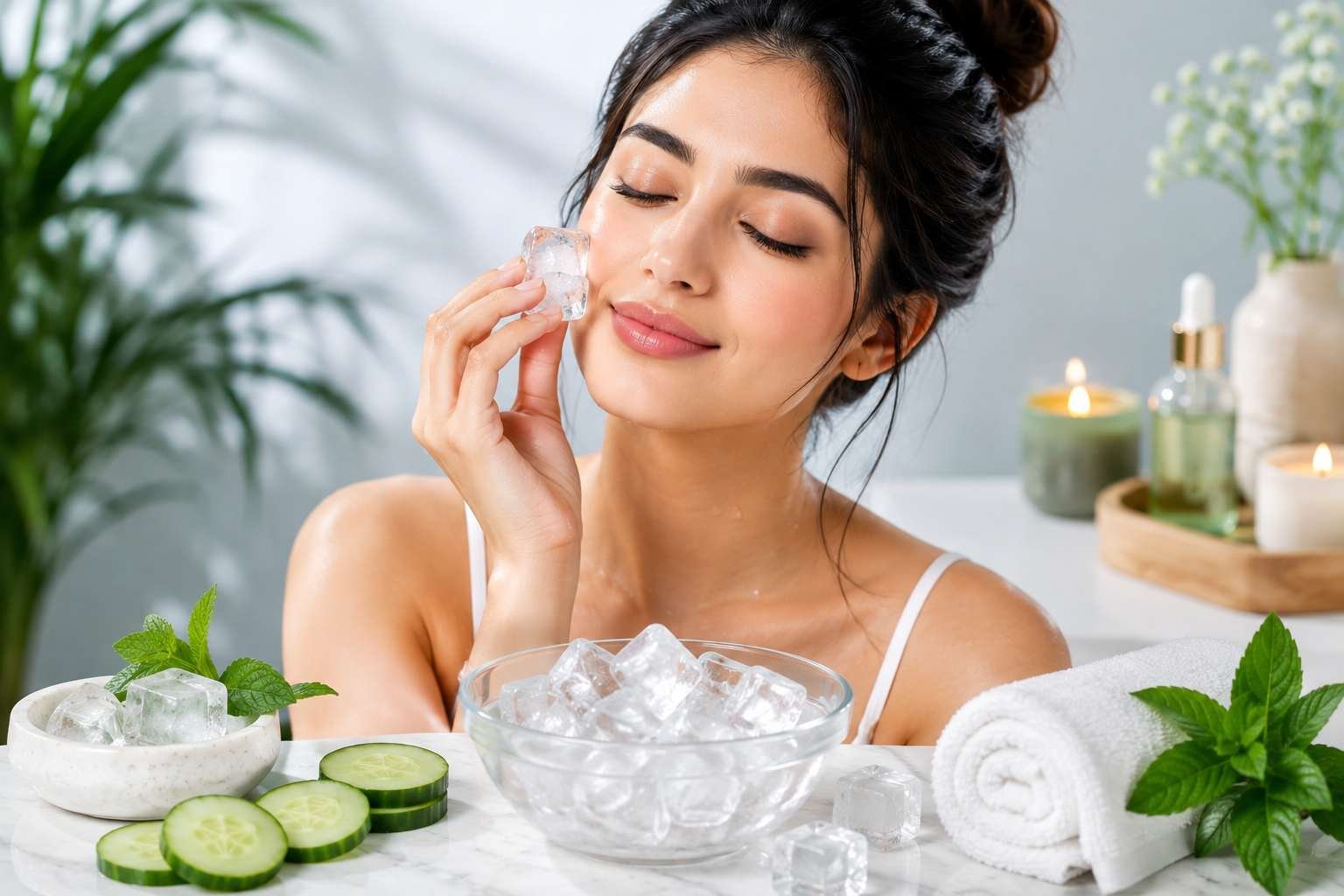
Hydration and Healthy Skin
Hydration plays an important role in overall health and can contribute to the appearance of skin. Drinking enough fluids throughout the day is one part of maintaining healthy hydration.
Skin hydration also depends on factors such as the skin barrier, environment, diet, and skincare products.
A moisturizer can help reduce moisture loss from the skin, particularly when environmental conditions are dry.
Nutrition and Natural Beauty
What you eat can influence overall health, which may also affect the appearance of skin and hair. A balanced diet containing vegetables, fruits, whole grains, protein sources, healthy fats, and adequate fluids can support general well-being.
Rather than focusing on a single “beauty food,” it is more useful to maintain a varied and balanced eating pattern.
Nutrients such as protein, vitamins, minerals, and essential fatty acids contribute to normal body functions, including those involved in maintaining skin and hair.
Beauty and Healthy Hair
Hair care is another important part of personal grooming. Healthy-looking hair usually benefits from appropriate cleansing, conditioning, gentle handling, and protection from excessive heat or chemical treatments.
Hair needs can differ depending on texture, thickness, scalp condition, and styling habits. Someone with dry, curly hair may need a different routine from someone with fine, oily hair.
Avoiding unnecessary heat and being gentle while brushing can also help reduce mechanical damage.
The Role of Sleep in Beauty
Sleep is often overlooked in beauty routines, but adequate rest is important for overall health. Poor sleep can affect energy, mood, concentration, and the way a person feels throughout the day.
A consistent sleep schedule and a relaxing bedtime routine can support better rest.
Instead of relying only on beauty products to improve appearance, maintaining healthy lifestyle habits can provide a stronger foundation for long-term well-being.
Everyday Hygiene and Personal Care
Personal hygiene is one of the simplest foundations of feeling fresh and confident. Regular bathing, oral care, clean clothing, hand hygiene, hair care, and appropriate grooming all contribute to personal presentation.
Small habits can make a significant difference because personal care is not about one major transformation. It is the result of repeated everyday practices.
Good hygiene can also improve comfort and confidence in social and professional situations.
Makeup as a Tool for Expression
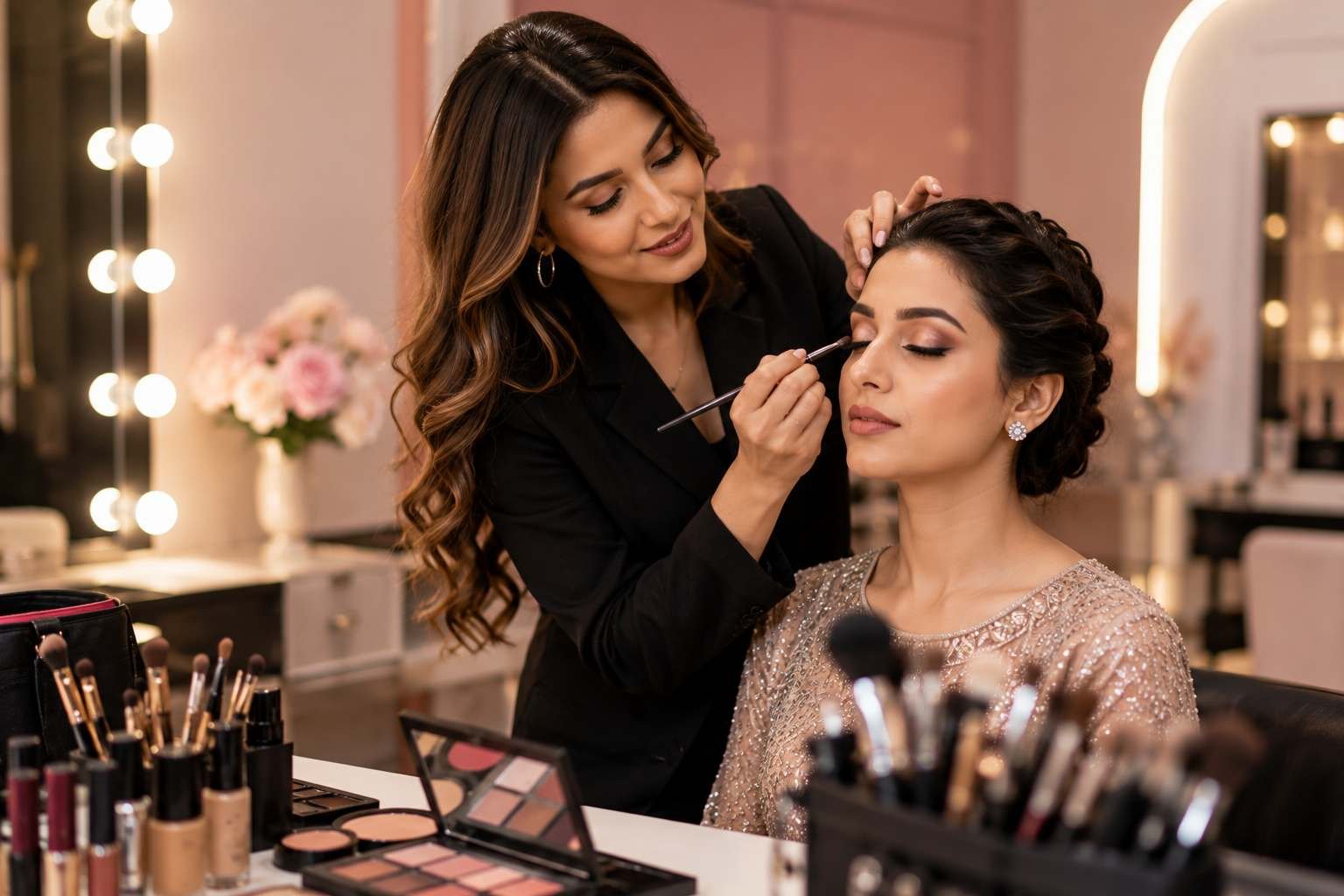
Makeup can be a creative way to express personality and enhance selected features. Some people prefer a natural appearance, while others enjoy bold colors and dramatic looks.
There is no single correct approach to makeup. The most useful routine is one that makes the person wearing it feel comfortable and confident.
Choosing products that suit your skin type, keeping tools clean, and removing makeup properly at the end of the day are important parts of responsible makeup use.
Creating a Natural Everyday Look
A natural makeup routine does not need many products. A lightweight base, concealer where needed, a little blush, groomed brows, mascara, and a comfortable lip product can create a fresh everyday appearance.
The goal is usually to enhance rather than completely cover natural features.
Good blending is often more important than using a large number of products. Soft transitions between products can create a more natural and polished finish.
Choosing Beauty Products Wisely
The beauty market offers thousands of products, making it easy to purchase items that may not actually be necessary.
Before buying a new product, consider whether it addresses a specific need. Reading the ingredient list, understanding how the product is intended to be used, and considering your skin or hair type can help you make better choices.
It is also useful to introduce new products gradually rather than changing an entire routine at once.
Avoiding Overcomplicated Beauty Routines
More products do not automatically mean better results. Using too many active skincare products can sometimes cause irritation, dryness, or sensitivity.
A simple routine that is followed consistently may be more effective than a complicated routine that is difficult to maintain.
When trying new products, patience is important. Not every product needs to produce an immediate dramatic transformation.
Beauty Tools and Their Proper Use
Beauty tools can make grooming easier, but they should be used correctly and maintained properly. Makeup brushes, sponges, hair styling tools, facial tools, and other accessories should be cleaned regularly according to their intended use.
Dirty tools can accumulate product residue, oil, and microorganisms. Regular cleaning is therefore an important part of maintaining good hygiene.
Tools should also be replaced when they become damaged or difficult to clean properly.
Beauty and Confidence
One of the most important aspects of beauty is confidence. People who feel comfortable with their appearance often carry themselves differently.
Confidence does not mean believing that you look perfect. It means being comfortable with your individuality and recognizing that appearance is only one part of who you are.
Beauty routines can support confidence, but they should not become a source of constant comparison or pressure.
The Influence of Social Media on Beauty
Social media has changed the way beauty trends spread. New hairstyles, skincare routines, makeup techniques, and products can become popular very quickly.
However, online images do not always represent everyday reality. Lighting, filters, editing, professional makeup, camera angles, and carefully selected photographs can create unrealistic expectations.
It is better to use social media for inspiration while remembering that real skin naturally has texture, pores, marks, and variations.
Sustainable Beauty Choices
Sustainable beauty focuses on making thoughtful choices that reduce unnecessary consumption. Buying only products that are genuinely needed can help reduce waste.
Reusable accessories, responsible packaging choices, longer-lasting products, and avoiding excessive product accumulation can contribute to a more sustainable routine.
Sustainability does not require perfection. Even small changes can make personal care habits more thoughtful.
Creating a Morning Beauty Routine
A morning routine can be simple and practical. Cleansing when appropriate, moisturizing, applying sun protection, grooming the hair, and choosing minimal makeup can create a fresh appearance.
The exact routine should depend on personal needs rather than following a fixed number of steps.
The most important thing is consistency and choosing products that work comfortably with your lifestyle.
Creating an Evening Beauty Routine
Evening is an ideal time to remove makeup, cleanse the skin, moisturize, and prepare for rest.
Removing makeup before sleeping can help keep the skin clean and comfortable. Hair can also be gently managed before bed, especially if it is prone to tangling.
A calm evening routine can become part of a broader self-care habit.
Beauty on a Budget
Looking after yourself does not require an expensive collection of products. Many effective beauty habits are simple and affordable.
Basic cleansing, moisturizing, sun protection, adequate sleep, balanced nutrition, hydration, regular grooming, and clean personal-care tools can form the foundation of a practical beauty routine.
Instead of buying products because of packaging or popularity, spending money on products that genuinely meet your needs can be more valuable.
When Professional Advice Can Help
Sometimes persistent skin or hair concerns require more than ordinary beauty products. If someone experiences ongoing or severe skin irritation, unexplained changes, persistent acne, unusual hair loss, or another concerning issue, consulting an appropriately qualified healthcare professional can be more useful than continuously experimenting with cosmetic products.
Professional guidance can help identify possible causes and determine an appropriate approach.
Frequently Asked Questions About Beauty
What is the most important beauty habit?
Consistency is one of the most important factors. Basic skincare, sun protection, good hygiene, adequate rest, balanced nutrition, and healthy lifestyle habits provide a strong foundation.
How can I improve my skin naturally?
A balanced lifestyle, appropriate skincare, sun protection, adequate hydration, and avoiding unnecessary irritation can support healthy-looking skin. Persistent concerns should be discussed with a qualified professional.
Is expensive skincare better?
Not necessarily. Product price does not automatically determine effectiveness. The most important factors include formulation, suitability for your skin, correct use, and consistency.
How can I look naturally beautiful?
Taking care of your skin and hair, maintaining good hygiene, getting enough rest, eating a balanced diet, and choosing simple grooming habits can help you look fresh and natural.
How often should beauty products be changed?
There is usually no need to change products simply because a new trend appears. If a product works well and is appropriate for your needs, consistency can be more useful than constant experimentation.
Is makeup necessary for beauty?
No. Makeup is a personal choice and can be used for creativity, expression, or enhancing certain features, but it is not necessary to define beauty.
How can I maintain healthy-looking hair?
Gentle washing, appropriate conditioning, careful brushing, protection from excessive heat, and choosing products according to your hair type can help maintain healthy-looking hair.
Does sleep affect appearance?
Adequate sleep supports overall health and can influence energy, mood, and how refreshed a person feels. It is an important part of a balanced self-care routine.
How can I create a simple beauty routine?
Start with basic personal care and identify your main needs. For skincare, a simple routine may include cleansing, moisturizing, and sun protection. Hair care, hygiene, adequate sleep, and balanced nutrition can complement it.
Conclusion
Beauty is not about achieving a perfect appearance. It is about taking care of yourself, understanding your individual needs, and developing habits that make you feel comfortable and confident.
A successful beauty routine does not need to contain dozens of products or follow every trend. Simple skincare, healthy hair habits, proper hygiene, sun protection, balanced nutrition, adequate sleep, and thoughtful grooming can create a strong foundation.
The most valuable beauty routine is one that fits your lifestyle and can be maintained consistently. When self-care becomes a healthy part of everyday life, beauty becomes less about perfection and more about confidence, wellness, and feeling comfortable in your own skin.